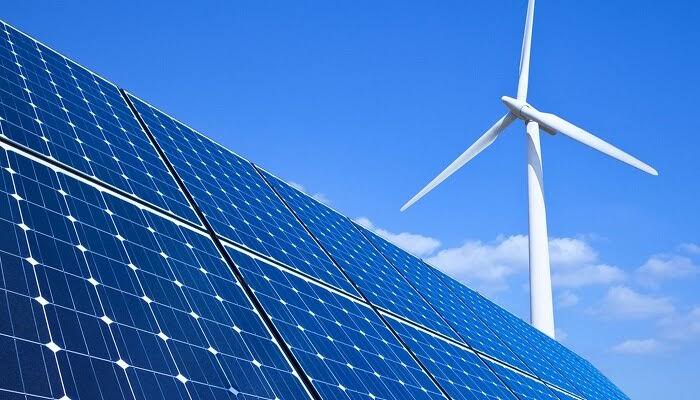
Europe has reached a historic milestone in its energy transition, with renewable sources surpassing fossil fuels in electricity generation for the first time. Wind and solar energy accounted for approximately 30% of total electricity production, overtaking fossil fuels at 29%.
This shift represents more than a symbolic achievement—it marks a structural transformation of the energy system. Renewable energy is no longer an alternative but is rapidly becoming the backbone of Europe’s energy infrastructure.
The implications for sustainability policy and regulation are substantial. Governments are expected to accelerate decarbonization strategies, strengthen carbon pricing mechanisms, and expand renewable energy incentives. At the same time, regulatory bodies are addressing grid stability, energy storage, and cross-border energy integration.
For businesses, this transition presents both opportunities and challenges. Companies investing in clean energy technologies, energy efficiency, and low-carbon operations are gaining a competitive advantage. Conversely, industries reliant on fossil fuels face increasing regulatory pressure and potential stranded assets.
Legal frameworks are also adapting to this transformation. Energy contracts, carbon trading systems, and environmental compliance standards are evolving to reflect the new energy landscape. This includes stricter emissions targets and enhanced reporting obligations under EU sustainability directives.
Additionally, electrification trends—such as the rapid adoption of electric vehicles—are reinforcing the shift toward renewables. In some countries, electric vehicles now dominate new car sales, further reducing dependence on fossil fuels.
Overall, Europe’s progress demonstrates that large-scale energy transition is achievable. However, maintaining momentum will require continued investment, regulatory clarity, and international cooperation.